



Part 1: Navigating Health Uncertainties Alone – The Emotional Toll of Midnight Scares and Emergencies
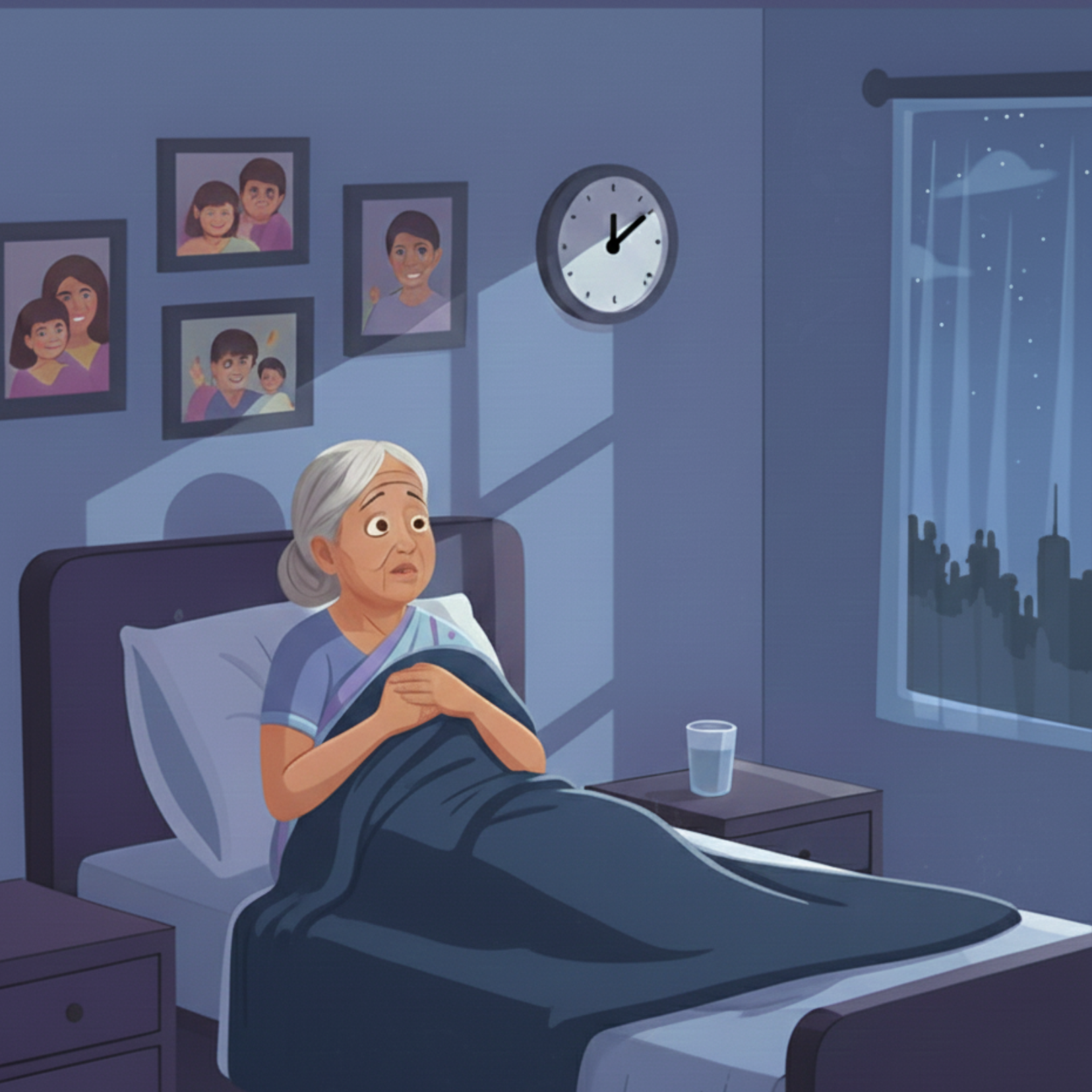
Imagine the stillness of 2 AM shattered by a sudden stomach pain. Meena, in her quiet apartment, brews tea and weighs whether to call her daughter, deciding to remain silent to avoid worry. The discomfort passes, but the isolation lingers, amplifying her vulnerability.
Solitary health episodes like indigestion or dizziness trigger anxiety and stress, often leading to chronic fear and sleep disturbances. Research links such isolation to heightened depression risks, as the brain's stress response intensifies without immediate reassurance.
Now consider emergencies: Arvind feels chest pain alone, fumbling for help as minutes stretch into terror. Delays in response can escalate physical harm and leave lasting trauma, including post-event anxiety for both the elder and the family.
The problem lies in unpredictability: Homes lack built-in medical oversight, turning minor issues into emotional ordeals. But there's another layer—dependency. In these moments, seniors often rely on neighbours or distant family for help, creating an unspoken burden. What starts as a kind favour can exhaust helpers over time, blurring the lines between the senior's needs and the helper's growing reluctance. The senior might sense avoidance in future interactions, fearing they're becoming "too much," which can lead to awkward silences and mental strain. They're willing to pay for professional aid, but personal relationships make it feel impossible without risking hurt feelings. This fragility in favour-based help leaves seniors vulnerable, assuming support is endless when it might fade.
A solution emerges in facility-based professional care, where emergency systems, on-site nurses, and protocols provide instant response, reducing anxiety by fostering a sense of security without eroding autonomy or relying on personal equations.
These stories highlight the need for infrastructure like 24/7 health monitoring and rapid assistance, transforming vulnerability into preparedness.
Thoughts to consider:
1. How do unexpected health moments make you feel in your current setup?
2. If reassurance were always available without burdening loved ones, would it change your sense of safety?
3. What services might bridge the gap between independence and the quiet fragility of depending on others?
Stay tuned for Part 2, where we delve into the daily grind of chores and maintenance.
Leave a Comment
Comments
Sai vissa
22 Nov 2025, 11:01 AMThe underlying emotions and typical human attitudes are brought out in simple language